Choosing the Best Glazing for Listed Buildings
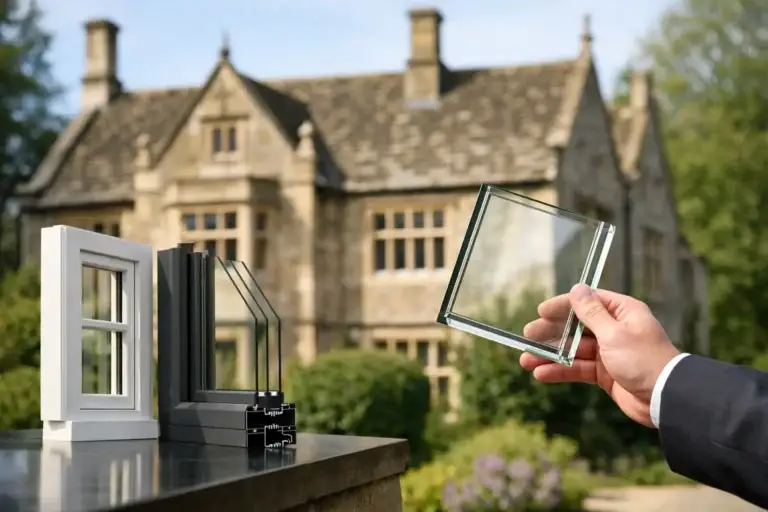
Choose the best glazing for listed buildings while balancing heritage consent, slim sightlines, U-values, acoustic comfort and fabric protection as well.
Choose the best glazing for listed buildings while balancing heritage consent, slim sightlines, U-values, acoustic comfort and fabric protection as well.
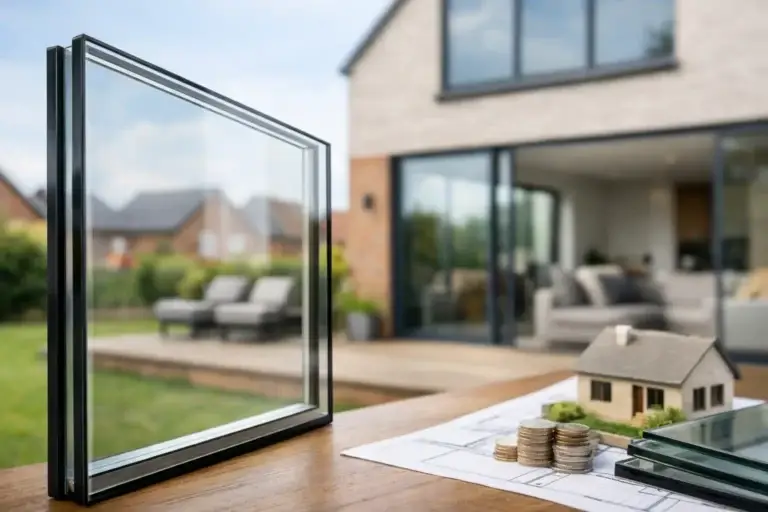
Is vacuum glazing worth it? Assess U-values, slim-profile retrofit benefits, acoustics, upfront cost and long-term value for UK building projects today.
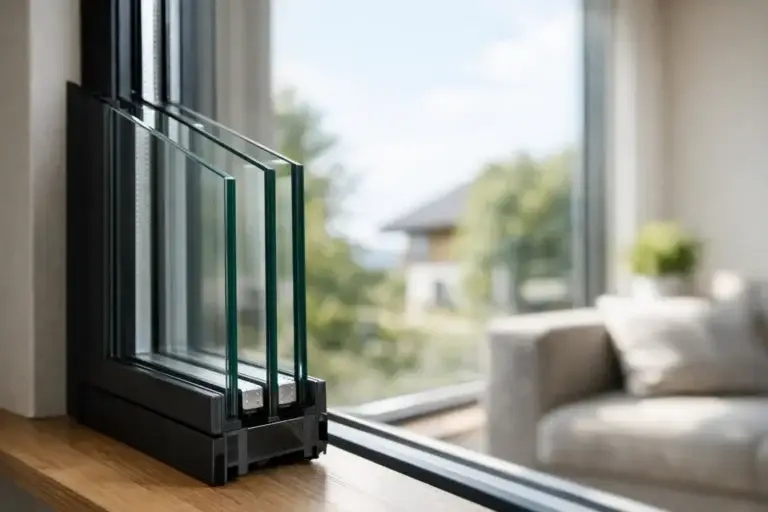
Passive house vacuum glass delivers lower U-values, slimmer units and better acoustics than triple glazing for high-performance building envelopes.

Sustainable glazing materials must reduce operational energy, embodied carbon and replacement risk. See how vacuum insulated glass changes the specification
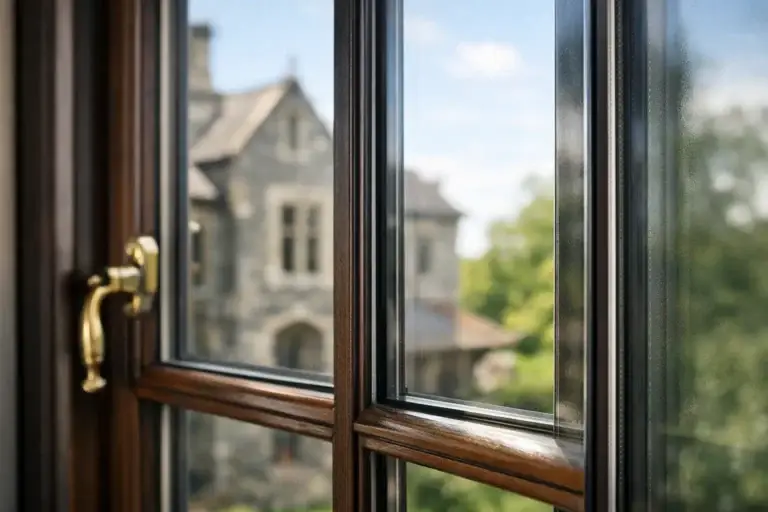
Heritage vacuum glass windows deliver slim sightlines, low U-values and strong acoustic control for period upgrades without bulky glazing.
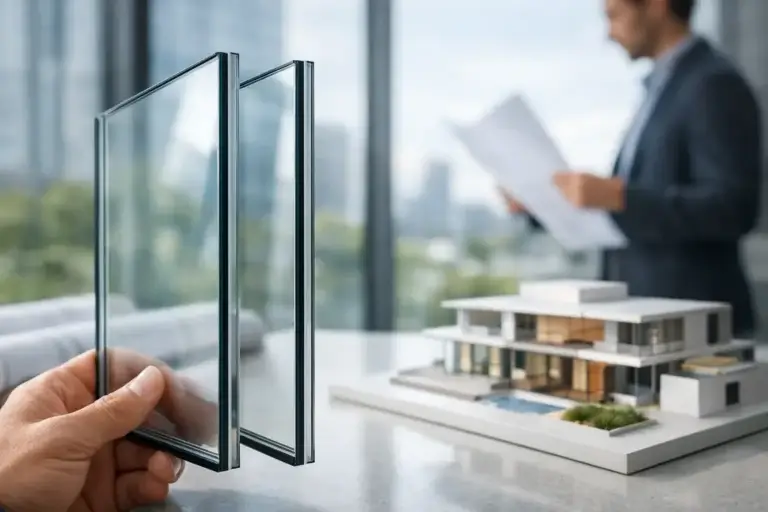
Vacuum glass for architects delivers low U-values, slim profiles and acoustic control, helping demanding façades meet energy and heritage targets now.
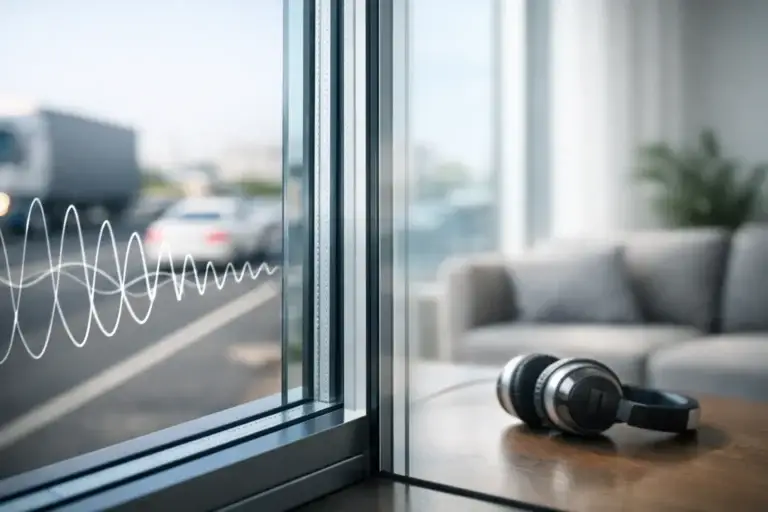
Acoustic vacuum glass performance depends on build-up, framing and installation. See where it excels, where limits apply, and how to specify it well.
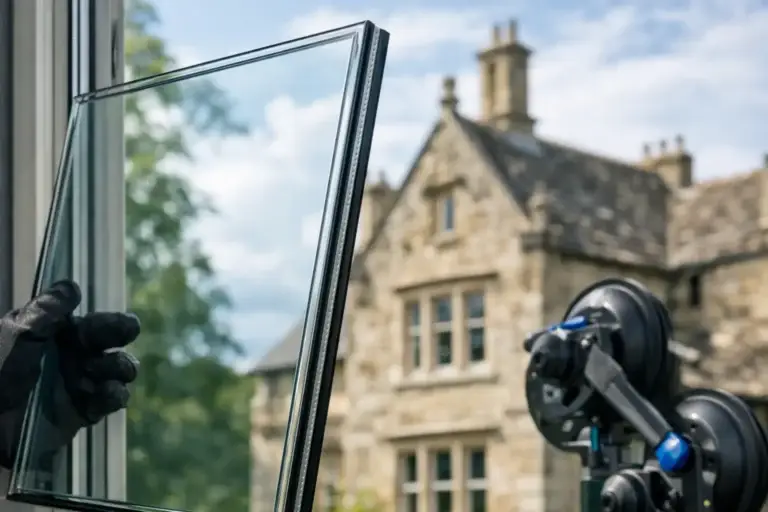
Vacuum glazing for listed buildings improves thermal and acoustic performance while preserving slim sightlines, heritage fabric and planning intent.
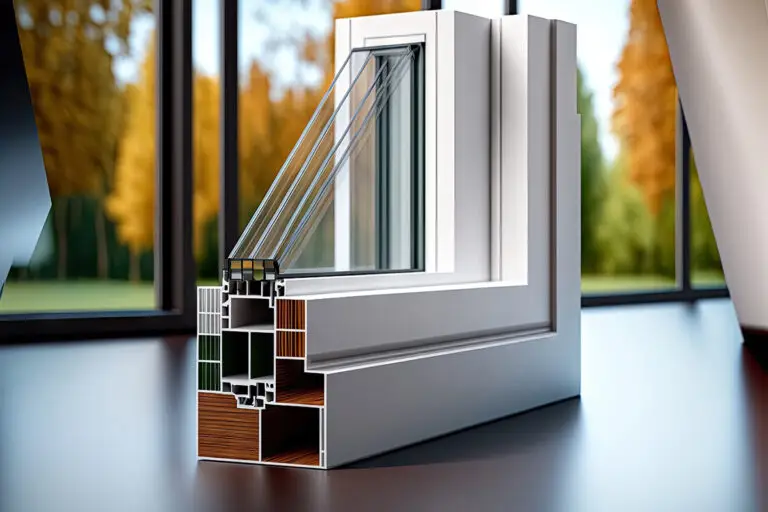
Vacuum glass vs triple glazing - compare U-values, thickness, weight, acoustics, lifespan and carbon to specify the right high-performance glazing.
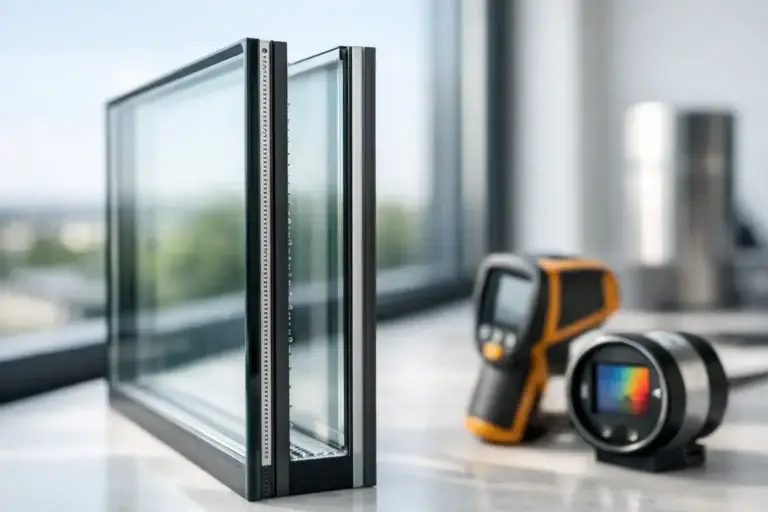
Understand vacuum glass U value, what it measures, what affects it, and why it outperforms double and triple glazing in demanding projects.
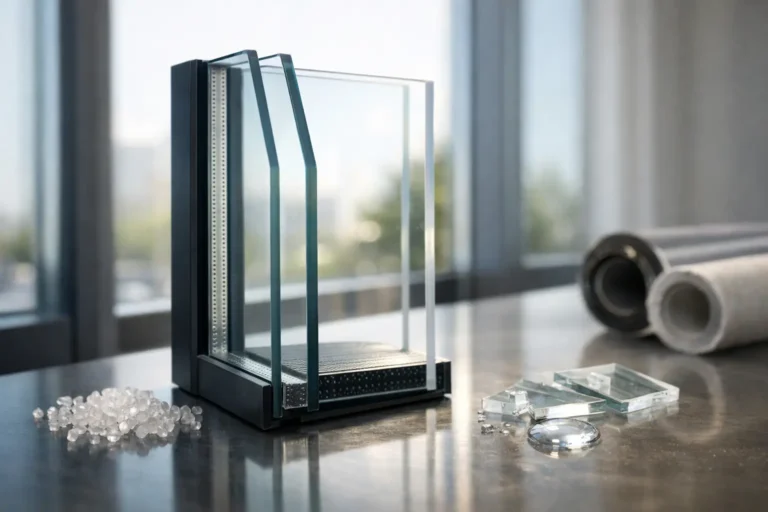
How does insulated glass work? Learn how cavities, coatings and vacuum technology reduce heat loss, noise and energy demand in buildings.
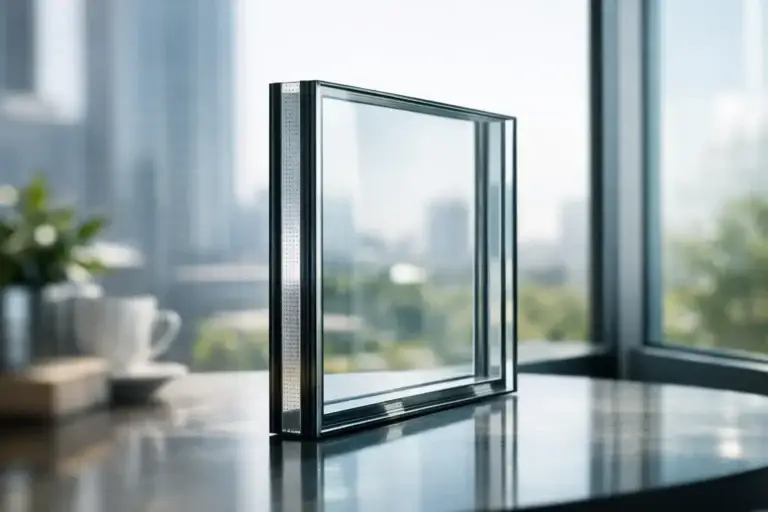
Why choose vacuum insulated glass? See how it outperforms double and triple glazing on U-values, acoustics, lifespan and carbon impact.