When a façade needs lower U-values without adding bulk, the glazing decision becomes very simple. That is exactly why choose vacuum insulated glass is now a serious question for architects, specifiers and developers working to tighter energy, carbon and space constraints.
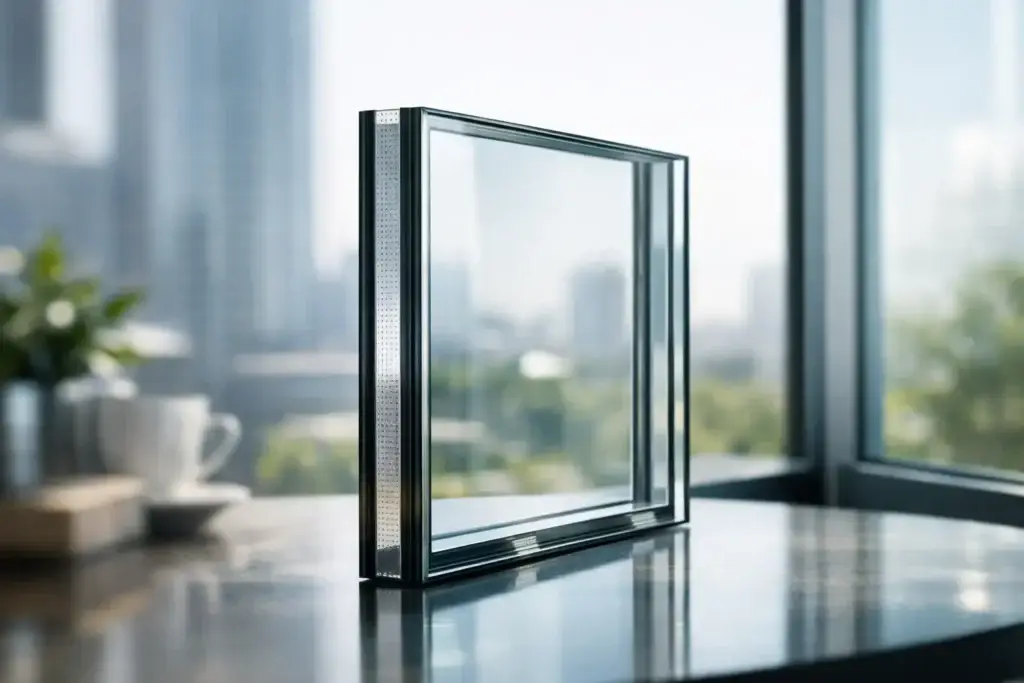
Vacuum insulated glass, or VIG, solves a problem that conventional insulating glass struggles with. Standard double glazing relies on a gas-filled cavity. Triple glazing adds another pane and another cavity, which improves thermal performance but also increases thickness, weight and frame demands. VIG takes a different engineering route. By creating a vacuum between panes, it almost eliminates conductive and convective heat transfer across the cavity. The result is very high thermal performance in a much slimmer build-up.
For projects where every millimetre matters, that changes the specification conversation.
Why choose vacuum insulated glass over conventional glazing
The strongest reason to choose VIG is performance density. Put simply, it delivers more insulation in less space. That matters in retrofit work, heritage upgrades, façade refurbishments and any scheme where existing frame lines, sightlines or structural loads limit what can be installed.
A well-engineered vacuum insulated unit can achieve centre pane U-values that are markedly lower than standard double glazing and competitive with, or better than, many triple-glazed constructions. Yet it does so with a profile closer to double glazing than triple glazing. For specifiers, that means fewer compromises between thermal targets and practical installation constraints.
This is not just a laboratory advantage. Lower U-values translate into reduced heat loss through the building envelope, which can cut operational energy demand and improve occupant comfort near the glazed line. In buildings with large glazed areas, the cumulative effect is significant.
There is also a commercial point that should not be overlooked. Better thermal performance can support compliance strategies, reduce the pressure on other building elements to compensate, and help clients protect long-term asset value as energy standards continue to tighten.
Thermal performance without the bulk
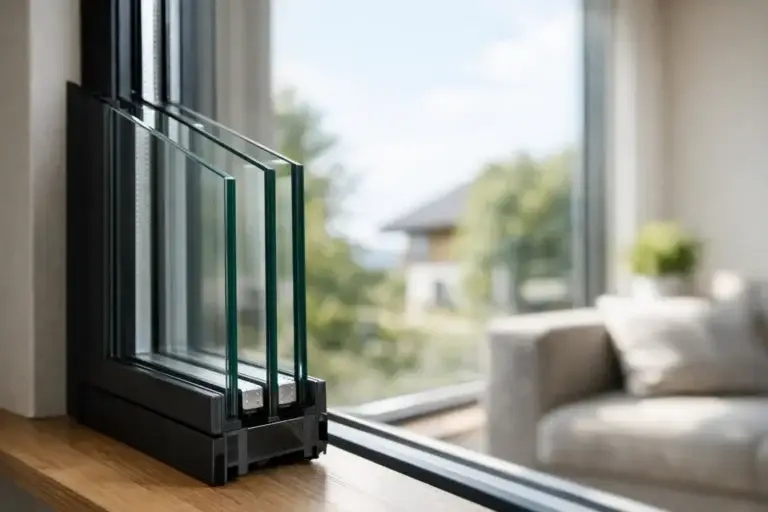
Thickness and weight are where VIG separates itself most clearly from triple glazing. Triple-glazed units can be effective, but they come with obvious trade-offs. Heavier units affect handling, transport, frame selection, hardware requirements and installation logistics. In some refurbishments, triple glazing is simply not feasible without substantial changes to the surrounding system.
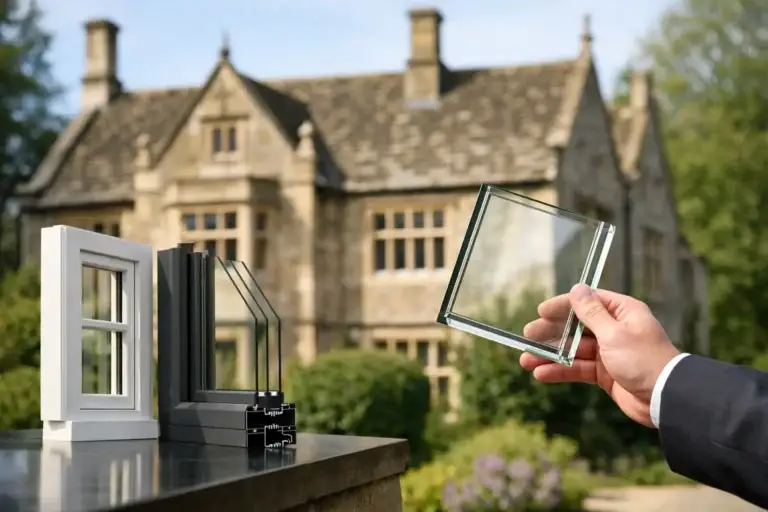
Vacuum insulated glass avoids much of that penalty. Because the vacuum cavity does the insulating work, the unit can remain relatively slim while still delivering outstanding thermal resistance. That creates opportunities in listed and heritage contexts, as well as in modern façade systems where slimline aesthetics are part of the design intent.
For fabricators and façade consultants, slimmer units can also mean easier integration into certain profiles and less disruption to established system geometry. It depends on the full specification, of course, but the core advantage is consistent – high performance without defaulting to a heavier, thicker build-up.
Better comfort for occupants and operators
Energy performance is one part of the case. Internal comfort is another, and it is often what occupiers notice first.
When internal glass surface temperatures are higher in winter, perimeter spaces feel less cold. That can reduce the sensation of draughts and radiant chill near windows, even when the air temperature in the room is technically acceptable. In offices, residential buildings, hotels and education settings, this improves usable comfort close to the façade.
That comfort benefit has practical implications. Designers may gain more freedom over where workstations, seating or habitable areas are placed. Building operators may also see fewer complaints around cold spots. These are not always headline specification items, but they matter once the building is occupied.
VIG can also contribute strong acoustic performance. This is especially relevant for projects in urban locations, near rail infrastructure, transport corridors or high-activity commercial areas. Acoustic outcomes depend on the overall glass make-up and frame specification, but vacuum insulated glass can form part of a glazing package that reduces external noise while maintaining demanding thermal targets.
Why choose vacuum insulated glass for lifecycle value
The cheapest unit on day one is rarely the cheapest glazing choice over the life of a building. That is another reason why choose vacuum insulated glass should be treated as a lifecycle question, not a simple procurement comparison.
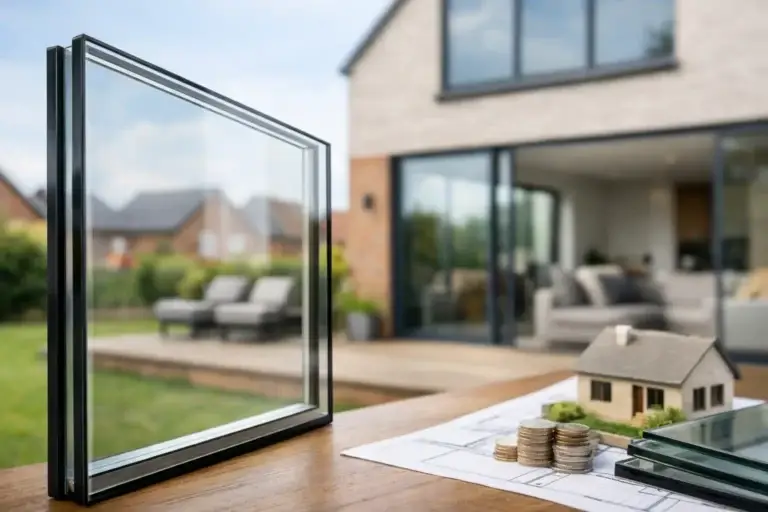
High-performance glazing affects energy costs over decades. If a unit reduces heat loss materially, the value is not confined to an initial SAP calculation or compliance exercise. It continues through lower operational demand, improved comfort and better resilience against rising energy prices.
Durability matters just as much. Advanced VIG systems are designed for long service life, which is critical in commercial and façade applications where replacement is disruptive and expensive. A glazing product that combines thermal efficiency with dependable longevity can offer a stronger whole-life proposition than a lower-cost alternative that underperforms or requires earlier intervention.
This is where serious manufacturers distinguish themselves. Performance claims need to be supported by engineering quality, tested outcomes and specification support, not marketing shorthand. Decision-makers in this market do not need vague promises. They need confidence that the product will perform as stated and continue to perform over time.
A lower-carbon route than thicker alternatives
The carbon case for VIG is stronger than many buyers first assume. Operational carbon savings are the obvious benefit because lower heat loss reduces the energy needed to maintain internal temperatures. But embodied carbon should also be part of the assessment.
Compared with thicker, heavier glazing constructions, vacuum insulated glass can offer a materially leaner path to high thermal performance. Less mass and less material intensity can improve the overall environmental profile, particularly when that performance is achieved without resorting to bulky triple-glazed assemblies across a project.
For developers and consultants balancing net zero strategies, that combination matters. The most effective building products now need to perform in two ways at once – lowering operational demand while supporting a more responsible material specification. VIG is compelling precisely because it addresses both.
That said, project context still matters. The right choice depends on target U-values, frame compatibility, acoustic requirements, budget, installation constraints and expected building life. VIG is not specified because it is fashionable. It is specified because, in the right application, it solves more problems at once than conventional alternatives.
Where vacuum insulated glass makes the most sense
VIG is particularly strong in refurbishment and upgrade projects where existing frames, sightlines or planning sensitivities limit options. Heritage and conservation work is a clear example. Where preserving appearance is essential but thermal performance must improve sharply, slim vacuum units can offer a route that standard triple glazing cannot.
It also performs strongly in premium residential, commercial façades and Passive House-led schemes where envelope performance is under close scrutiny. In these settings, the benefit is not just hitting a number. It is hitting a demanding number with a solution that remains elegant, practical and commercially credible.
Industrial and specialist sectors can also benefit. Refrigeration, transport, agriculture and building-integrated photovoltaic applications all place a premium on energy control, durability and technical reliability. In those environments, glazing is not decorative. It is a working component of the system, and performance shortcomings are quickly exposed.
The specification question is really about constraints
Most glazing decisions are made under pressure from competing demands. The project needs lower U-values, but the frame is fixed. It needs better acoustics, but weight is a concern. It needs a stronger sustainability story, but the programme and budget are real.
That is why VIG has moved from niche interest to serious specification option. It answers a set of constraints more intelligently than traditional insulating glass in many scenarios. Rather than accepting that better insulation must mean thicker glass and heavier systems, it changes the performance equation.
For specifiers, that can simplify the route to compliance and design intent. For developers, it can protect long-term value. For fabricators and contractors, it can reduce some of the compromises that arise when trying to force conventional glazing into high-performance briefs.
Werkman Tech positions vacuum insulated glass exactly where it belongs – as a specialist solution for projects that cannot afford mediocre thermal performance dressed up as value.
The best glazing choice is the one that keeps performing when the drawings become procurement packages, the procurement package becomes a building, and the building has to justify itself year after year. That is where vacuum insulated glass earns its place.