A façade can miss its thermal target by a frustratingly small margin. On paper, the wall build-up performs. The roof performs. Then the glazing package drags the whole calculation back into compromise. That is where vacuum insulated glass for energy efficiency changes the discussion. It is not a marginal upgrade to standard insulating glass. It is a different performance class built for projects where heat loss, space constraints, acoustic comfort and lifecycle value all matter at once.
For specifiers and building professionals, the attraction is straightforward. Vacuum insulated glass achieves exceptionally low U-values in a much thinner construction than conventional double or triple glazing. That matters in refurbishment, heritage work, high-spec new build, façade engineering and any scheme where frame depth, weight, embodied carbon and long-term operating cost are under scrutiny.
Why vacuum insulated glass performs differently
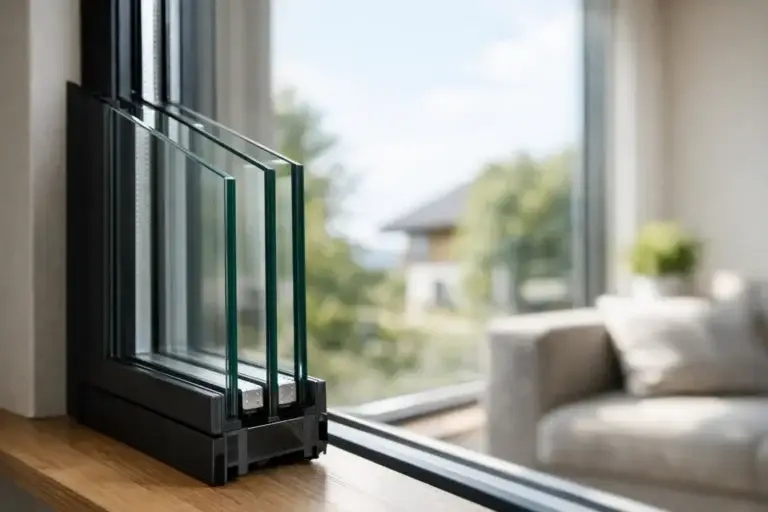
The core advantage comes from the vacuum cavity. In conventional insulating glass units, the space between panes is filled with air or gas. Those gases still transfer heat through conduction and convection. In a vacuum insulated unit, the cavity is evacuated to remove those pathways almost entirely. Heat transfer is reduced dramatically, leaving a glazing system that can outperform much thicker alternatives.
This is why vacuum insulated glass for energy efficiency is now being specified in projects that previously relied on triple glazing to hit demanding thermal targets. Instead of adding more thickness and weight, the unit uses advanced engineering to deliver insulation in a slim profile. For architects, that protects design intent. For contractors and fabricators, it can simplify integration where section sizes and tolerances are tight. For developers and asset owners, it supports lower energy demand over the life of the building.
The commercial case is not just about the centre-pane figure either. Real project performance depends on the whole assembly – glass, edge detail, frame system and installation quality. A high-performance vacuum unit gives the rest of the specification a stronger starting point.
Vacuum insulated glass for energy efficiency in real projects
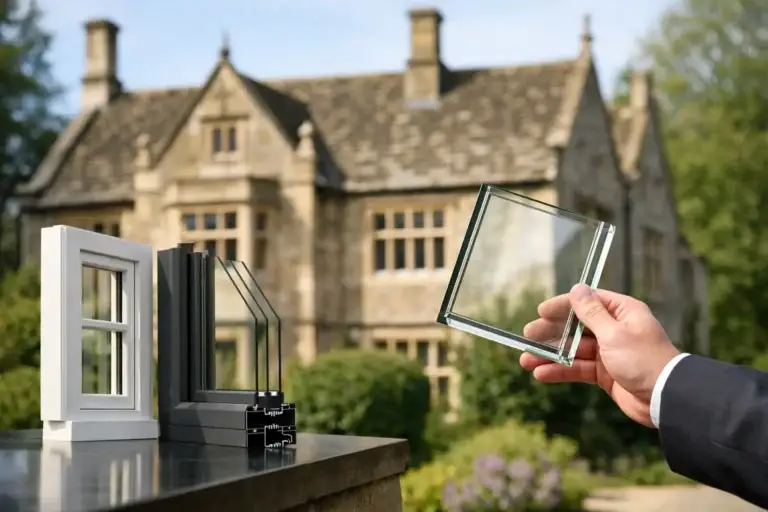
The strongest use case is any building where conventional glazing starts to create trade-offs elsewhere. In heritage refurbishment, planners and consultants often want to retain slim sightlines and the character of traditional fenestration. Triple glazing can be visually and physically intrusive. Vacuum glass offers a route to significantly improved thermal performance without forcing a bulky modern appearance.
In commercial façades, the issue is often different. The project may need low U-values, acoustic control and manageable dead load, all within a façade system that has been optimised for speed and cost. Heavier, thicker glazed units affect framing, handling and installation logistics. A thinner high-performance unit can reduce that pressure while still helping the building meet stringent energy targets.
For domestic projects, especially premium retrofit and Passive House-aligned work, the argument is equally practical. Better insulation at the glazing line improves internal comfort, reduces cold downdraughts near windows and can limit condensation risk at the inner pane. Occupants feel the difference in winter not as an abstract efficiency gain but as a more usable room perimeter and a steadier internal temperature.
Industrial and specialist applications also benefit. Refrigeration, transport, agricultural buildings and building-integrated systems often need glazing that does more than admit light. Thermal control, durability and weight all influence whole-system performance. Vacuum technology earns its place where conventional units reach their limit.
Thin profile, low U-value, stronger design freedom
One of the most important specification advantages is profile efficiency. If a project can achieve strong thermal performance with a slimmer unit, more options stay open. Existing frames may be retained in some refurbishment scenarios. New frame systems may be kept lighter and more refined. Façade detailing can remain disciplined rather than being enlarged to accommodate thicker glass build-ups.
That freedom has knock-on effects. Less material in surrounding components can improve the broader sustainability case. Sightlines can remain sharper. Transport and handling can become more manageable. None of those benefits matter if thermal performance is weak, but with vacuum insulated glass they come alongside leading insulation values rather than in place of them.
Lifecycle value matters more than headline unit cost
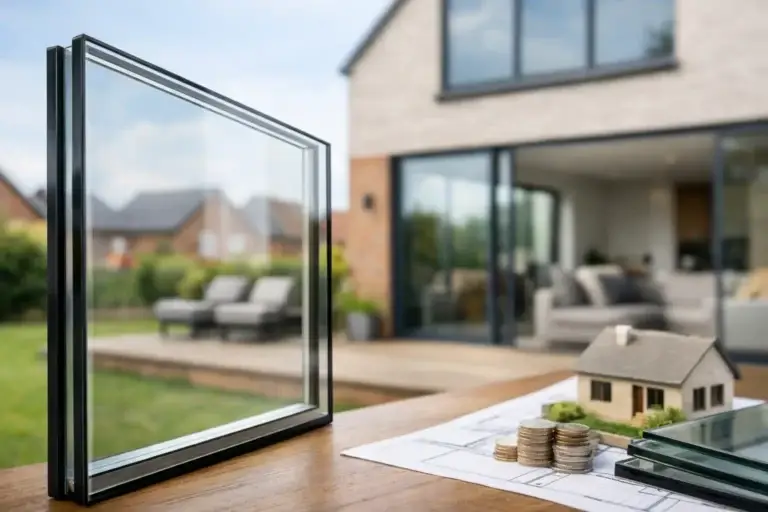
Vacuum glass is a premium product, and serious buyers should assess it that way. The correct comparison is not the cheapest double-glazed unit available today. It is the long-term value of a high-performing glazing system across energy use, maintenance, durability and occupant comfort.
A lower U-value contributes to reduced heating demand. In many projects, especially large glazed areas or buildings with tight energy models, that can support measurable operational savings. There is also a durability argument. When glazing is expected to remain in service for decades, consistency of performance matters. A premium unit that combines thermal insulation, acoustic benefit and long service life can justify its capital cost more credibly than a short-term like-for-like price comparison ever will.
That said, specification should still be precise. The right solution depends on application, frame compatibility, safety requirements, pane size, exposure conditions and compliance targets. Vacuum glass is not a shortcut around proper detailing. It is a higher-performing starting point.
How it compares with double and triple glazing
Against standard double glazing, the performance gap is clear. Conventional double-glazed units remain common because they are familiar and cost-effective, but they have limits. Once projects demand lower U-values, designers often move towards thicker cavities, specialist coatings or a step up to triple glazing.
Triple glazing can improve insulation, but it introduces compromises. Units are thicker and heavier. Frame requirements increase. Installation can become more demanding. In retrofit work, it may simply not be viable. In design-led applications, deeper sections can dilute the visual intent.
Vacuum insulated glass changes that trade-off. It can deliver thermal performance associated with much thicker systems while keeping the build-up relatively slim. That is not to say it replaces every triple-glazed specification automatically. Some projects will still choose triple glazing based on budget, procurement route or standardisation across a wider package. But where performance per millimetre matters, vacuum glass is often the stronger technical answer.
Acoustics also deserve attention. Good vacuum insulated units can deliver strong sound reduction, which is increasingly valuable in urban, transport-adjacent and mixed-use settings. Thermal and acoustic performance do not always move together in glazing design, so products that address both can simplify specification.
What specifiers should look for
Performance claims only matter when they are supported by real product engineering. U-value is central, but it should not be read in isolation. Buyers should assess the total specification – thickness, visible appearance, safety options, durability, edge performance, compatibility with the intended frame, and suitability for the building type.
Manufacturing quality is critical. Vacuum insulated glass relies on precise production methods and stable long-term performance. In serious projects, technical support matters almost as much as the glass itself. Architects, façade consultants and contractors need clear data, dependable tolerances and specification guidance that reflects real installation conditions, not idealised lab assumptions.
This is where specialist suppliers have a clear advantage. A product range built around multiple performance levels and framing options allows the glazing package to be matched to the actual project brief rather than forced into a standard unit that only partly fits. For buyers balancing thermal targets, acoustic expectations, aesthetics and compliance, that flexibility is commercially valuable.
The sustainability argument is practical, not cosmetic
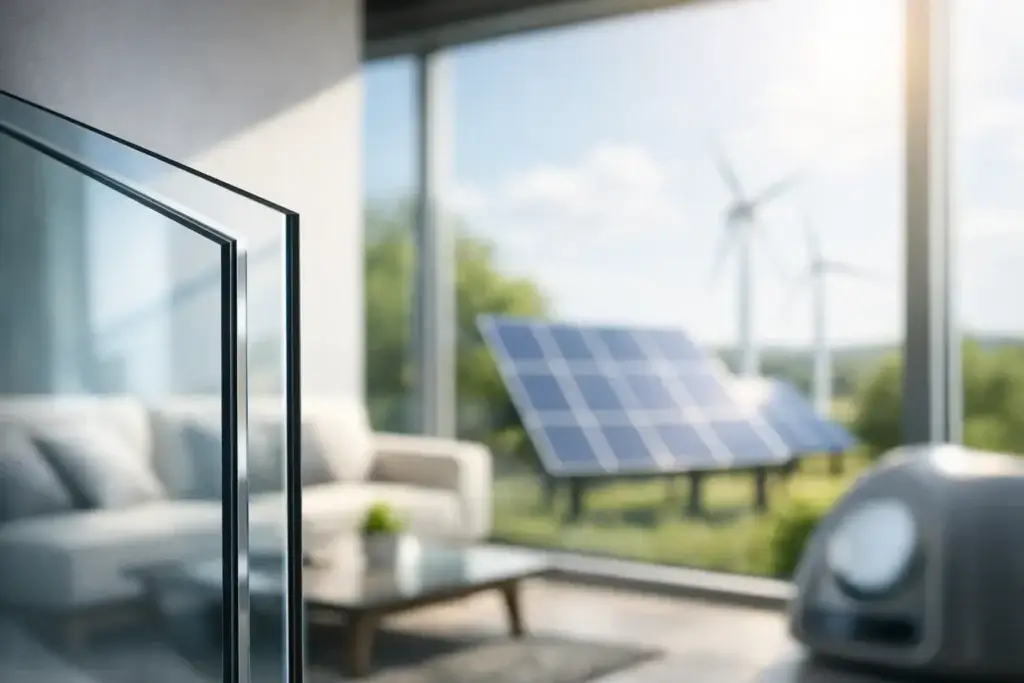
Energy efficiency is the first sustainability benefit most clients notice, because it links directly to running costs and carbon from operation. Better insulation reduces heat loss and helps buildings consume less energy over time. In a market shaped by tougher standards and sharper ESG scrutiny, that is already a compelling reason to specify better glazing.
But there is a wider material argument as well. If a slimmer unit can achieve high thermal performance without the mass of triple glazing, the overall construction profile can become leaner. Less bulk can support more efficient frame design, lower transport loads and a more considered use of materials. The exact benefit depends on the system and project scale, but the direction is clear: better performance does not have to mean more glass, more thickness and more compromise.
For specifiers trying to reconcile operational energy targets with sensible material choices, that matters. The best façade solutions now have to do both.
Vacuum insulated glass is gaining ground because it answers a familiar problem with better engineering rather than more bulk. When a project needs lower heat loss, tighter detailing and long-term value, the strongest choice is often the one that removes the compromise instead of managing it. That is why high-performance glazing is no longer just a component decision. It is a building-performance decision.