If a glazing specification lives or dies on thermal performance, the vacuum glass u value is not a detail to skim past. It is one of the clearest indicators of whether a unit will help a project meet energy targets, reduce heat loss and support long-term operational savings. For architects, façade consultants and contractors working to tight performance criteria, getting this number right matters far more than broad claims about efficiency.
What vacuum glass u value actually means
A U-value measures the rate of heat transfer through a building element. In glazing, it tells you how much heat passes through the glass from the warm side to the cold side. The lower the figure, the better the insulation.
When people refer to vacuum glass u value, they are usually talking about the centre pane U-value or the overall unit performance, depending on the context. That distinction matters. A centre pane result shows the thermal performance through the main body of the glass, while a whole-window or installed system value also reflects frame losses, edge effects and installation details.
For specifiers, the practical point is simple. A very low centre pane U-value can be undermined by a weak frame or poor interface detailing. The glass performs as part of a system, not in isolation.
Why vacuum insulated glass achieves lower U-values
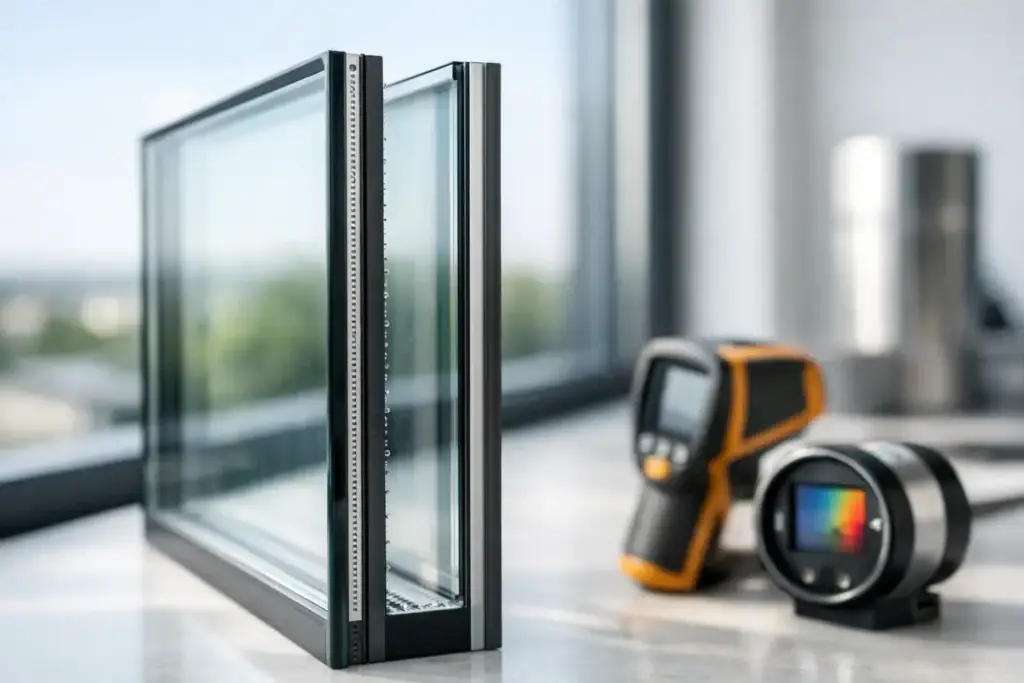
Vacuum insulated glass is engineered to remove the main path for conductive and convective heat transfer between panes. Instead of using a gas-filled cavity like conventional double glazing or triple glazing, it uses a vacuum gap. With almost no gas present, there is far less medium available to transfer heat.
That changes the performance equation significantly. Traditional insulated units rely on wider cavities and gas fills such as argon or krypton to improve insulation. Vacuum glass achieves much stronger thermal resistance in a much slimmer build-up. This is one of its most commercially valuable advantages, particularly where frame depth, sightlines or heritage constraints limit the use of thicker triple-glazed units.
Low-emissivity coatings also play a major role. The vacuum reduces conductive and convective transfer, while specialist coatings cut radiative heat loss. Together, these elements allow premium vacuum glazing to deliver exceptionally low U-values in thin, high-performance units.
Vacuum glass u value versus double and triple glazing
This is where vacuum glazing becomes difficult to ignore. Standard double glazing can perform adequately in basic applications, but it is often not enough for projects chasing stricter thermal targets. Triple glazing improves insulation, but it adds thickness and weight and can create design or retrofit compromises.
Vacuum glass sits in a different category. It offers thermal performance that can exceed conventional triple glazing, while remaining substantially thinner and lighter. That has obvious benefits in refurbishment, listed and heritage work, façade design and projects where frame compatibility is a constraint.
The exact comparison depends on specification. Not every double-glazed or triple-glazed unit is equal, and not every vacuum unit is built to the same standard. Spacer design, coating quality, edge sealing and frame integration all affect outcomes. Still, the direction of travel is clear. If the priority is achieving very low U-values without accepting the bulk of triple glazing, vacuum technology offers a technically stronger route.
What is a good U-value for vacuum glass?
A good result depends on the project brief. In broad terms, lower is better, but only if the figure reflects the real application.
For high-performance building envelopes, specifiers will often look for glazing capable of supporting low-energy or Passive House level targets. In those cases, vacuum insulated glass is attractive because it can achieve very low centre pane U-values while maintaining slim profiles. For commercial refurbishment, education, transport or specialist industrial settings, a low U-value also translates into reduced heating demand and better internal temperature stability.
The right question is not only what is the lowest number available. It is whether the stated vacuum glass u value is independently verified, whether it applies to centre pane or whole unit performance, and whether the framing system can carry that result through to the finished installation.
The factors that affect vacuum glass u value
The thermal result is driven by more than the vacuum cavity alone. Coating configuration is central. High-quality low-e coatings reduce radiant heat transfer and are essential to achieving premium performance.
Glass make-up also matters. Different pane combinations, safety requirements and laminate options can shift the final result. Edge seal technology is another major factor, because thermal bridging around the perimeter can weaken the overall unit performance if it is not properly controlled.
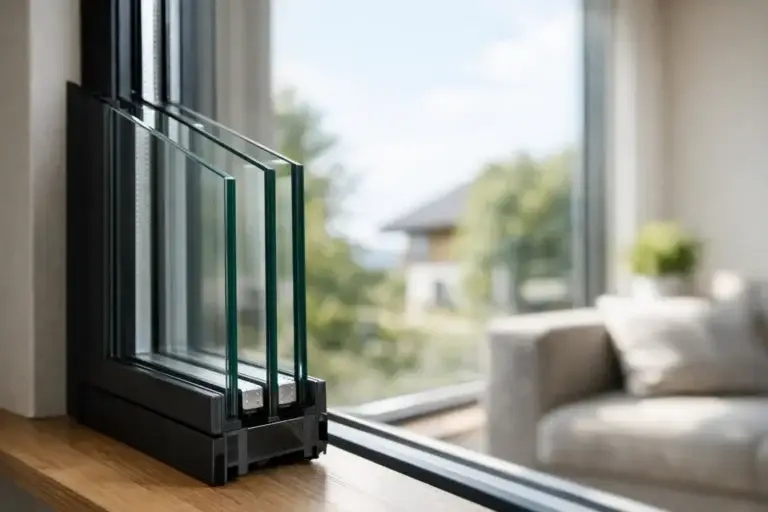
Then there is the frame. This is where many otherwise strong specifications lose ground. A highly efficient pane set into a thermally weak frame will not deliver the best possible whole-window value. The best outcomes come from pairing vacuum glass with compatible, performance-led framing systems designed for low heat loss.
Installation quality is the final variable. Junction detailing, air tightness and interface treatment all influence real-world thermal behaviour. The declared glass performance is the starting point, not the finished answer.
Why low U-values matter commercially
A low U-value is not just a laboratory metric. It directly affects running costs, comfort and compliance.
In occupied buildings, lower heat transfer means less energy is needed to maintain internal temperatures. Over time, that can reduce operational expenditure and improve lifecycle value, especially in larger estates or heavily glazed buildings. In retrofit settings, improving the glazing specification can also help raise the overall performance of older assets without radically altering their appearance.
Comfort is another serious factor. Better-insulated glass creates warmer internal surface temperatures, which can reduce cold spots and downdraughts near windows. In commercial and residential projects alike, that improves occupant experience in a way clients notice quickly.
There is also the carbon case. Lower energy demand means lower associated emissions. For developers, owners and specifiers under pressure to cut whole-life environmental impact, glazing with a very low U-value supports both regulatory and corporate sustainability goals.
Where vacuum glass makes the strongest case
Not every project needs top-tier glazing, but many do. Vacuum insulated glass is particularly compelling where space is limited and performance expectations are high.
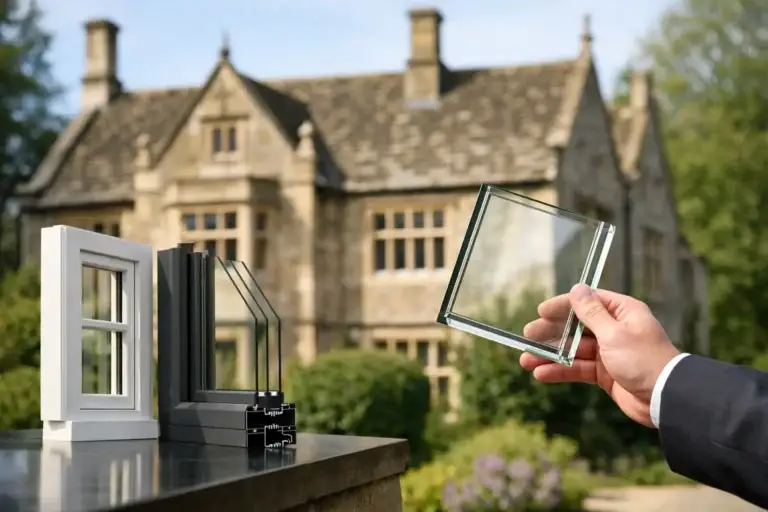
Heritage and listed buildings are an obvious example. Slim profiles can allow thermal upgrades without the visual disruption associated with thick replacement units. Façade refurbishment is another. Existing framing constraints often make triple glazing difficult, while vacuum glass can deliver a much stronger balance between insulation and buildability.
It also has a strong case in premium residential, education, healthcare, transport and specialist commercial applications. Anywhere thermal efficiency, acoustic control, durability and slim construction need to sit together, vacuum technology starts to justify its premium.
Reading vacuum glass data properly
A common mistake is comparing one headline number against another without checking what is actually being measured. Centre pane U-values can look exceptional, but procurement and specification decisions should go further.
Check whether the value is based on standardised testing and whether the result refers to the glass unit, the window system or the installed assembly. Review the frame specification, spacer or edge construction, and any safety or acoustic interlayers that may alter thermal output.
It is also worth considering the project climate, orientation and performance priorities. A glazing specification with an excellent vacuum glass u value may still need to be balanced against solar gain, visible light transmission and acoustic requirements. Thermal performance is critical, but it is not the only criterion in a high-quality envelope design.
Performance without bulk
This is the reason vacuum insulated glass has gained serious traction among technically demanding buyers. It changes what is possible in glazing design. Instead of choosing between slim aesthetics and strong insulation, specifiers can achieve both in one system.
That matters in practice. Reduced unit thickness can ease integration into existing frames, lower transport and handling burdens and support cleaner detailing. At the same time, the low U-value helps projects meet energy goals that standard insulating glass units may struggle to reach.
For businesses such as Werkman Tech, the value proposition is straightforward. The product is not simply another glazing option. It is a measurable upgrade in thermal performance, delivered through engineering rather than marketing language.
When you assess vacuum glass, treat the U-value as a serious decision metric, but not as a standalone number. The best specification is the one that turns laboratory performance into dependable building performance, year after year, with no unnecessary compromise on design, compliance or long-term value.